
AIR SEALING
Air Sealing for Metro Atlanta Homes
Insulation alone doesn't stop drafts. Air sealing closes the gaps, cracks, and penetrations that let conditioned air escape — the step most insulation contractors skip entirely.
THE PROBLEM
Insulation Slows Air. It Doesn't Stop It.
This is one of the most misunderstood parts of home energy efficiency, and it's why so many homeowners add insulation and still don't see the results they expected.
Insulation and air sealing solve two different problems. Insulation slows heat transfer through a material. Air sealing stops air from moving through gaps entirely. A home can be heavily insulated and still leak enormous amounts of conditioned air if the gaps around it were never sealed.
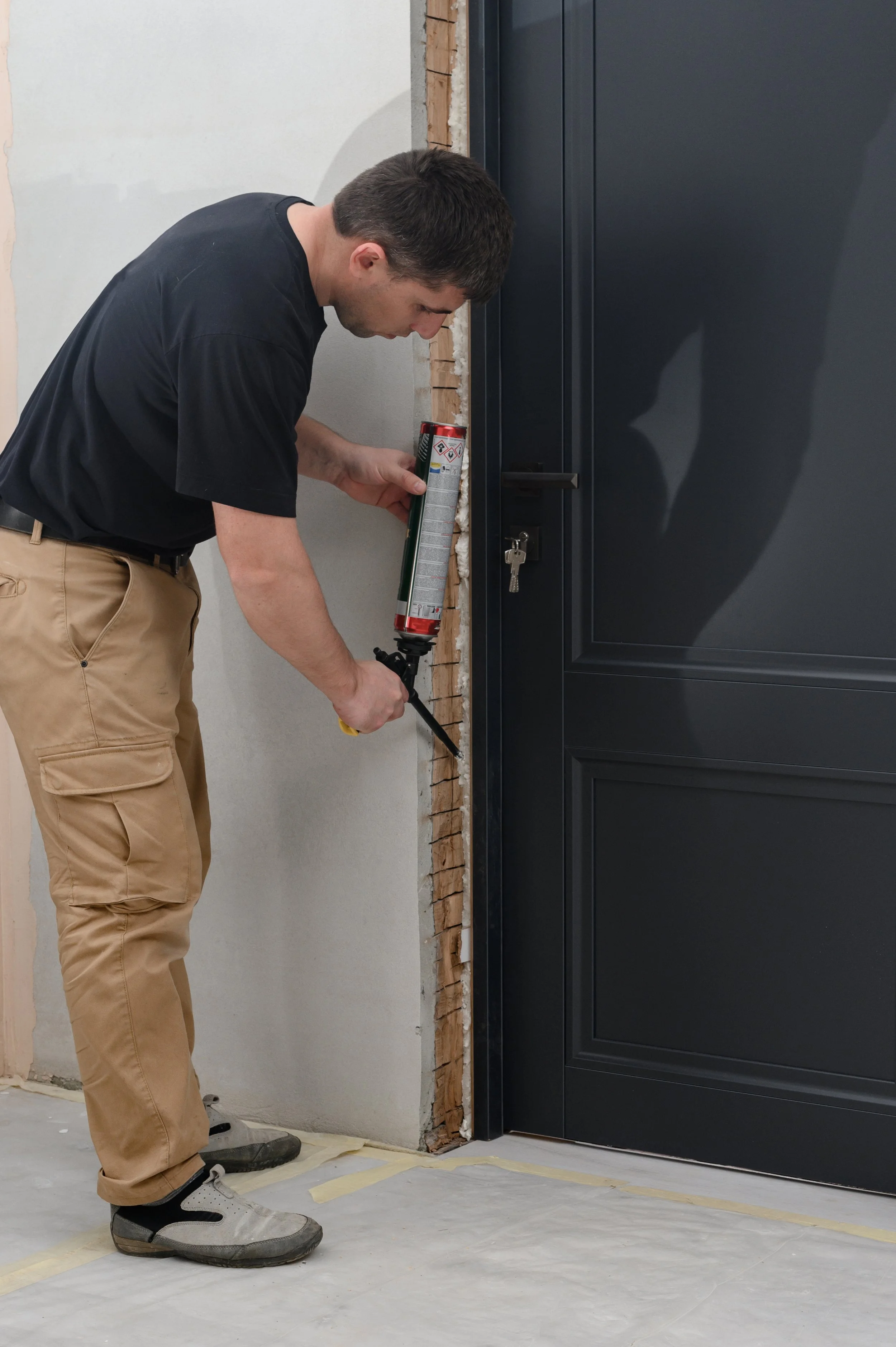
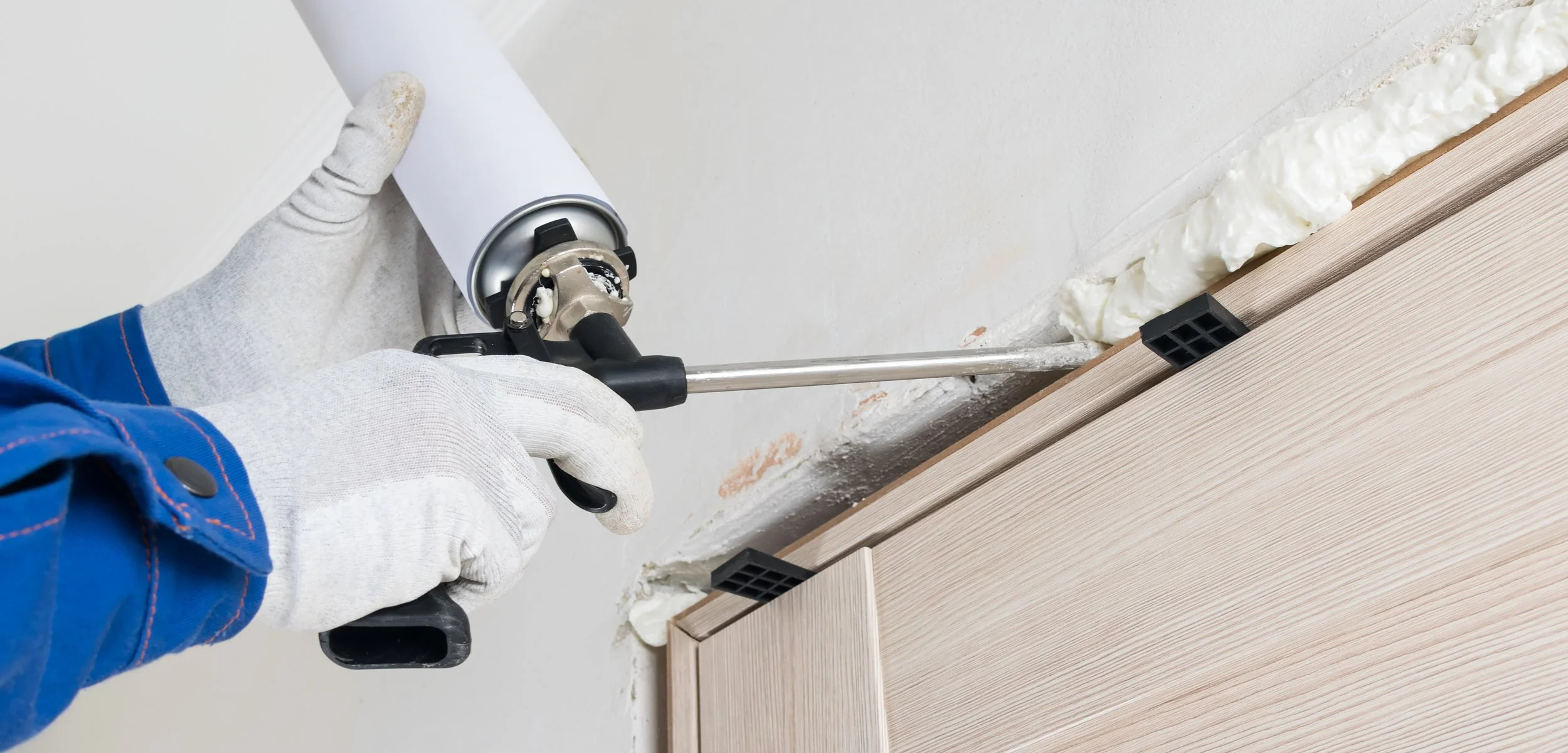
Air leaks happen in more places than most homeowners realize. Recessed lighting, attic hatches, plumbing and electrical penetrations, top plates where walls meet the attic, gaps around chimneys and flues — every one of these is a direct path for your conditioned air to escape and outside air to get in.
This is the step most contractors skip. Blowing in more insulation is faster and cheaper than carefully sealing every penetration first. It's also far less effective. Without air sealing, you're paying to condition air that's leaking out as fast as your HVAC system can produce it.
If you've added insulation before and didn't see the energy savings you expected, incomplete air sealing is very often the reason why.

THE SOLUTION
Seal Every Gap, Then Insulate
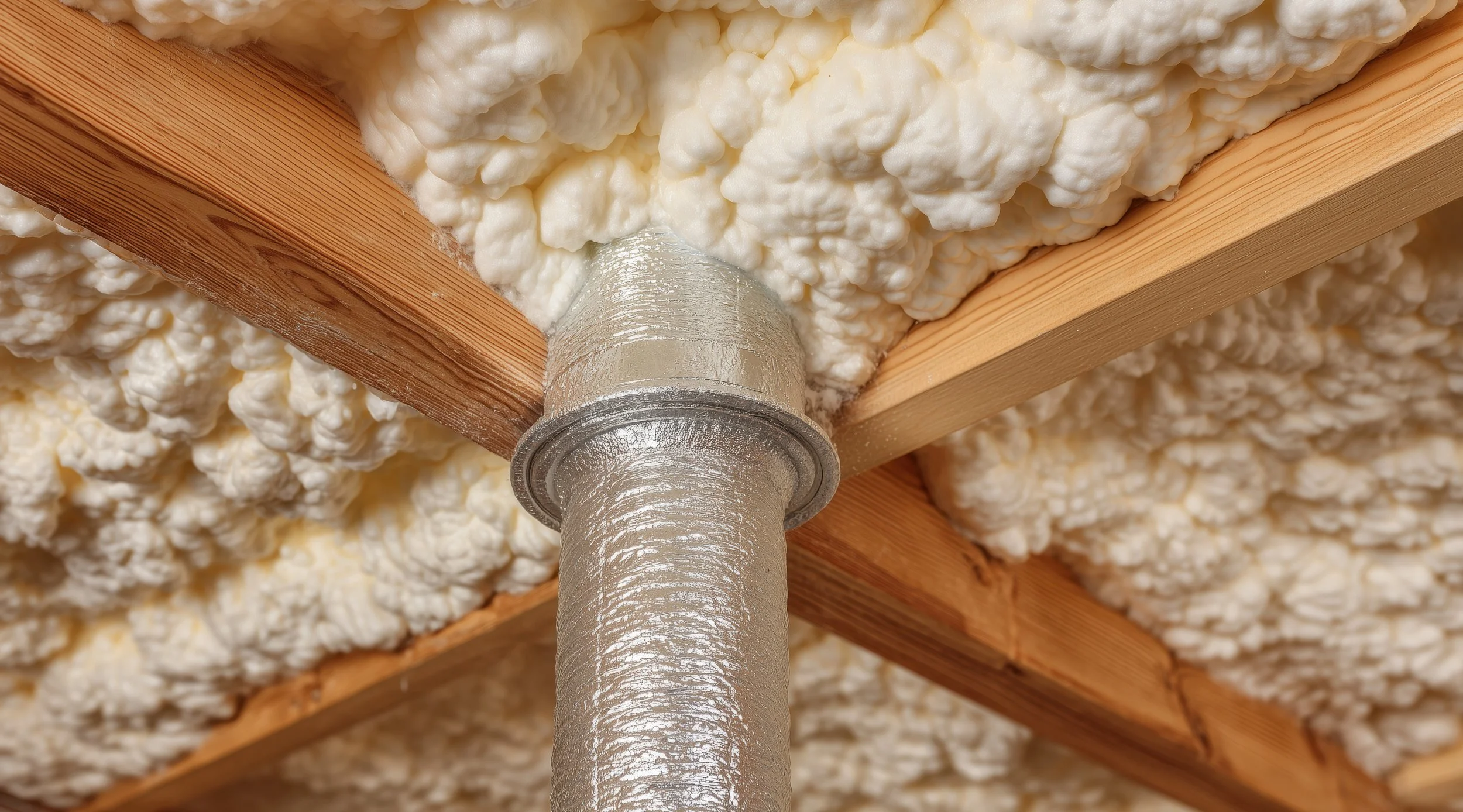
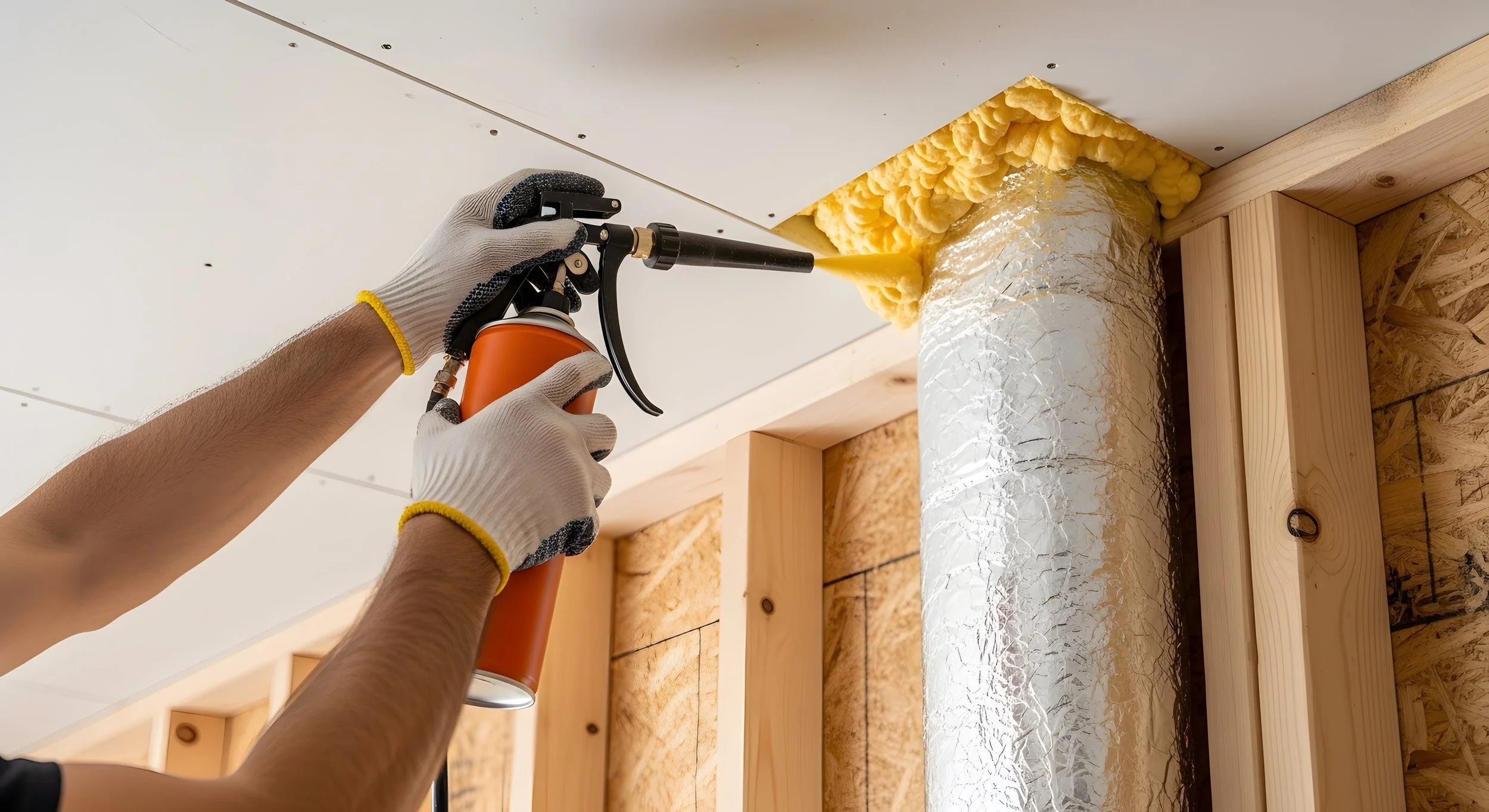
Before we apply any spray foam, we identify and seal every air infiltration point in your attic. This turns your home's insulation from a partial fix into a complete, effective barrier.
THE PROCESS
The 5-Step Retrofit Process.
01.
Free Thermal Camera Inspection
We use a thermal imaging camera to identify exactly where your home is leaking air — visually, in real time. No charge, no obligation.
02.
Map Every Penetration Point
We identify every gap, crack, and penetration in your attic: recessed lighting, plumbing stacks, electrical wiring, HVAC boots, top plates, and attic hatches. Gables, soffits, ridge vents, all evaluated.
03.
Seal With Commercial-Grade Materials
We seal each penetration using the appropriate method for that specific gap — spray foam for larger gaps, caulk or fire-rated sealant where required around electrical or combustion sources.
04.
Address Attic Hatches and Access Points
Attic hatches and pull-down stairs are common, often-overlooked sources of air leakage. We weatherstrip and seal these properly as part of the process.
05.
Verify With a Follow-Up Thermal Scan
Once sealing is complete, we do a final thermal camera pass to confirm the gaps have actually been closed — not just guess that they have.
WHY IT MATTERS
What Proper Air Sealing Actually Changes
Your HVAC system runs less often because it's no longer fighting constant air loss
Insulation you already have (or add later) performs the way it's supposed to
Drafty rooms and inconsistent temperatures improve noticeably
Dust and pollen infiltration from the attic decreases
Energy bills reflect the efficiency your insulation was supposed to provide in the first place

REAL CUSTOMER RESULTS
"We Had Insulation Added Before — This Is What Actually Fixed It."
"We paid another company to blow in more insulation two years ago and never saw a difference. JR Spray Foam found and sealed a dozen gaps we didn't know were there. That's when our bills actually dropped."
Frequently Asked Questions.
-
Insulation slows heat transfer through a material. Air sealing stops air from physically moving through gaps and cracks. Both are necessary — insulation without air sealing is significantly less effective than the two done together.
-
Common signs include drafty rooms, inconsistent temperatures between rooms, higher-than-expected energy bills despite having insulation, and dust or pollen buildup near vents or recessed lighting. A free thermal camera inspection will show you exactly where air is escaping.
-
Yes — air sealing can be performed as its own service, though it's most effective when paired with proper attic insulation, since the two work together.
-
Yes. We use fire-rated and code-appropriate sealing methods around electrical fixtures, chimneys, and combustion equipment, and we evaluate any combustion safety considerations before starting work.
-
Most air sealing jobs are completed in a single day, often as part of a broader attic retrofit visit.
Have more questions? Explore our complete FAQ section.

Book a free energy audit. We’ll show you exactly where your home is losing conditioned air — no pressure, no obligation.
Or Call or Text us directly: 678-328-0134
We typically schedule energy audits within 3-5 business days and respond to all inquiries within a few hours.