
Specialty Spray Foam Applications
Some rooms need more than comfort — they need precision. Wine storage, cigar humidors, and sound-sensitive spaces all depend on tightly controlled temperature, humidity, or acoustics that standard insulation was never built to hold.

THE PROBLEM
One Insulation Approach Doesn’t Fit Every Room
Most insulation is designed around one goal: keeping a living space comfortable within a wide, forgiving range. Specialty rooms don’t have that luxury.
A wine room that swings a few degrees can age a collection unevenly. A humidor room that drifts outside a narrow humidity band can dry out cigars or invite mold and tobacco beetles. A home theater or music room without real acoustic control lets sound leak in both directions, no matter how good the equipment is.
Fiberglass batts struggle here in particular. They don’t create a true air seal, and without one, no climate-control or sound system can hold a stable environment — it’s fighting a losing battle against outside air the room was never actually sealed against.

THE SOLUTION
Three Rooms, Three Different Jobs
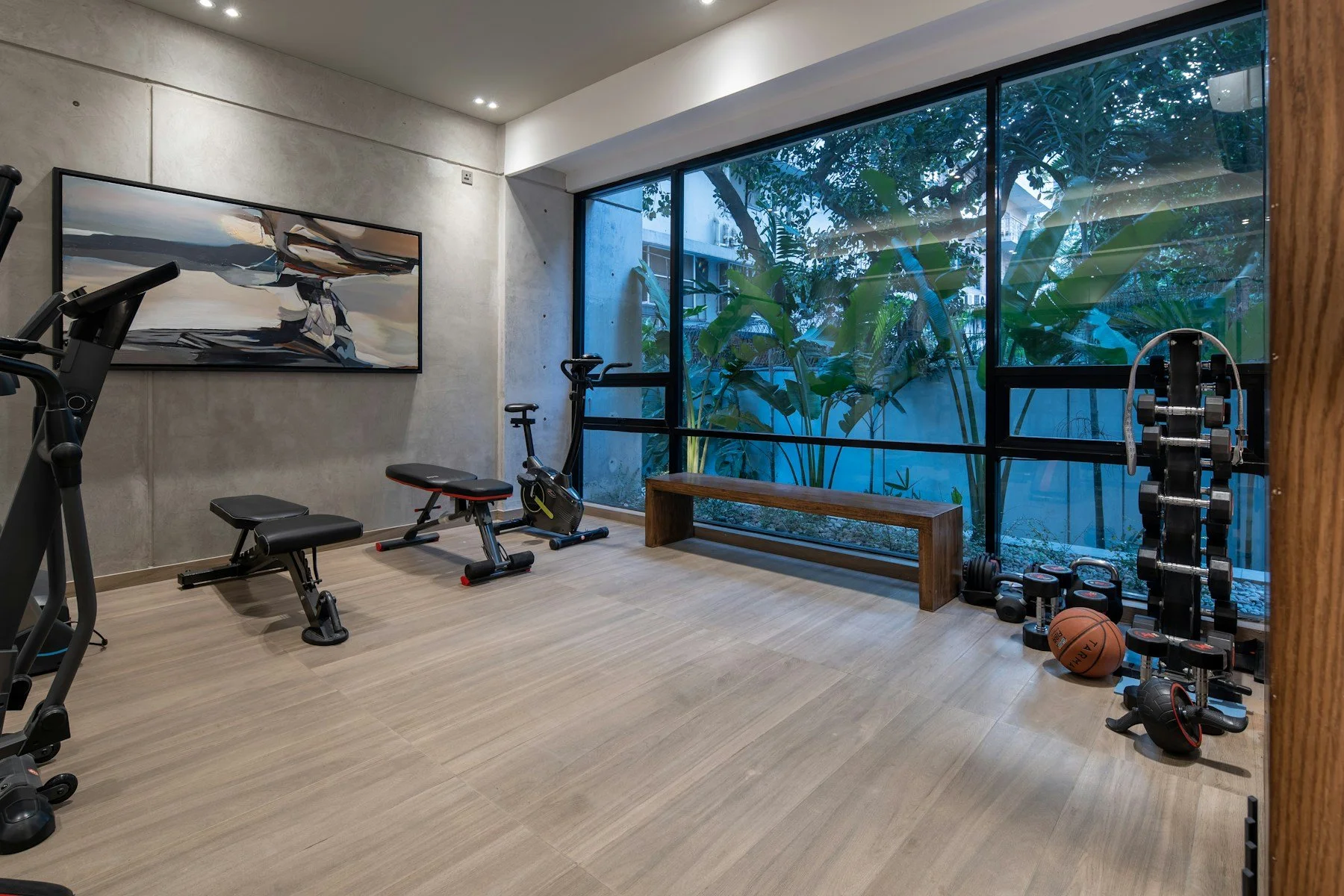
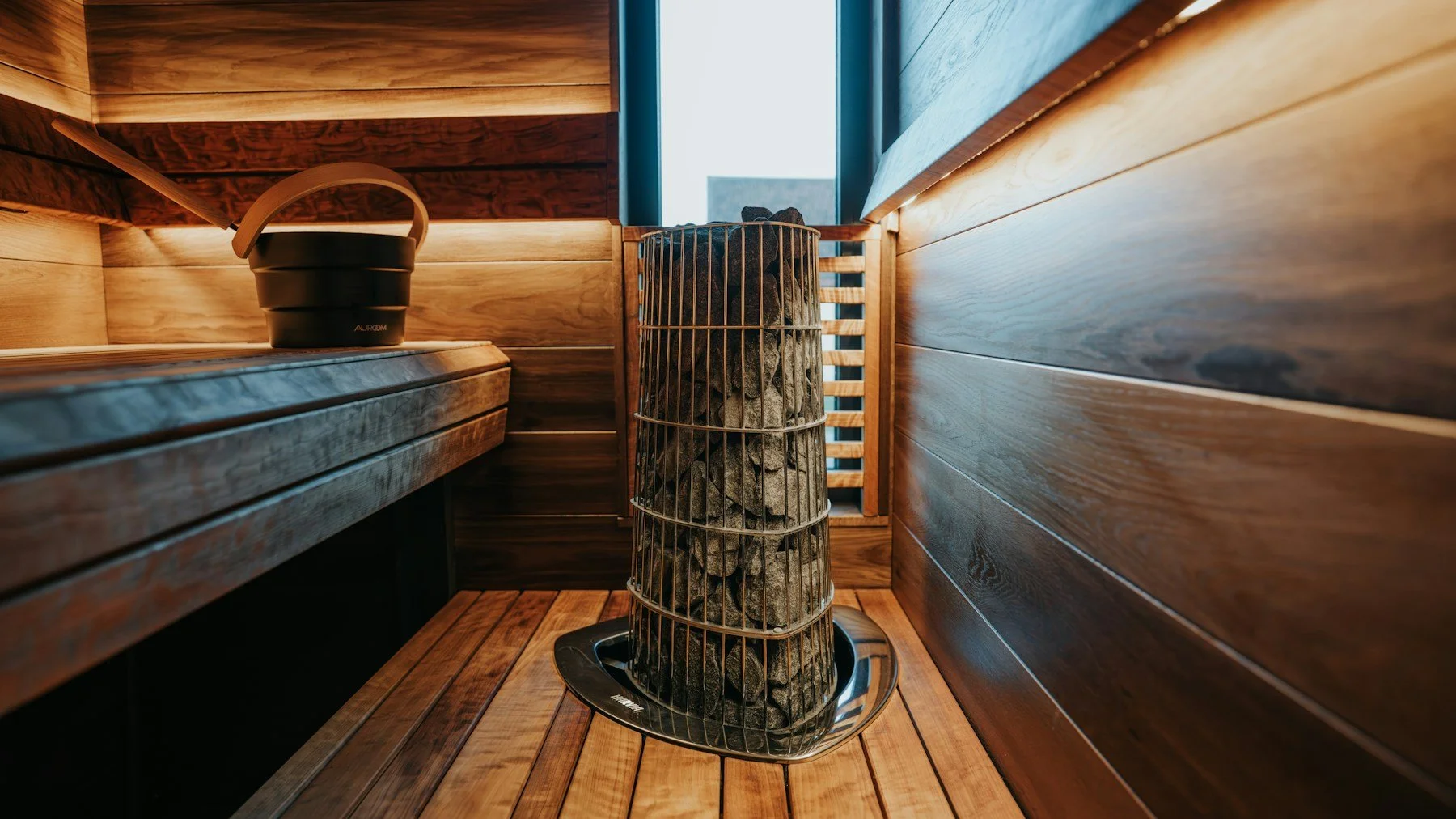
Wine storage, cigar humidors, Indoor Saunas, Yoga Rooms, Home Theaters and sound control each solve a different problem — temperature and humidity stability, or acoustic isolation. We match the foam type and approach to what your specific room actually needs.
WINE CELLARS & WINE ROOMS
Built to Hold a Narrow Range, Year-Round
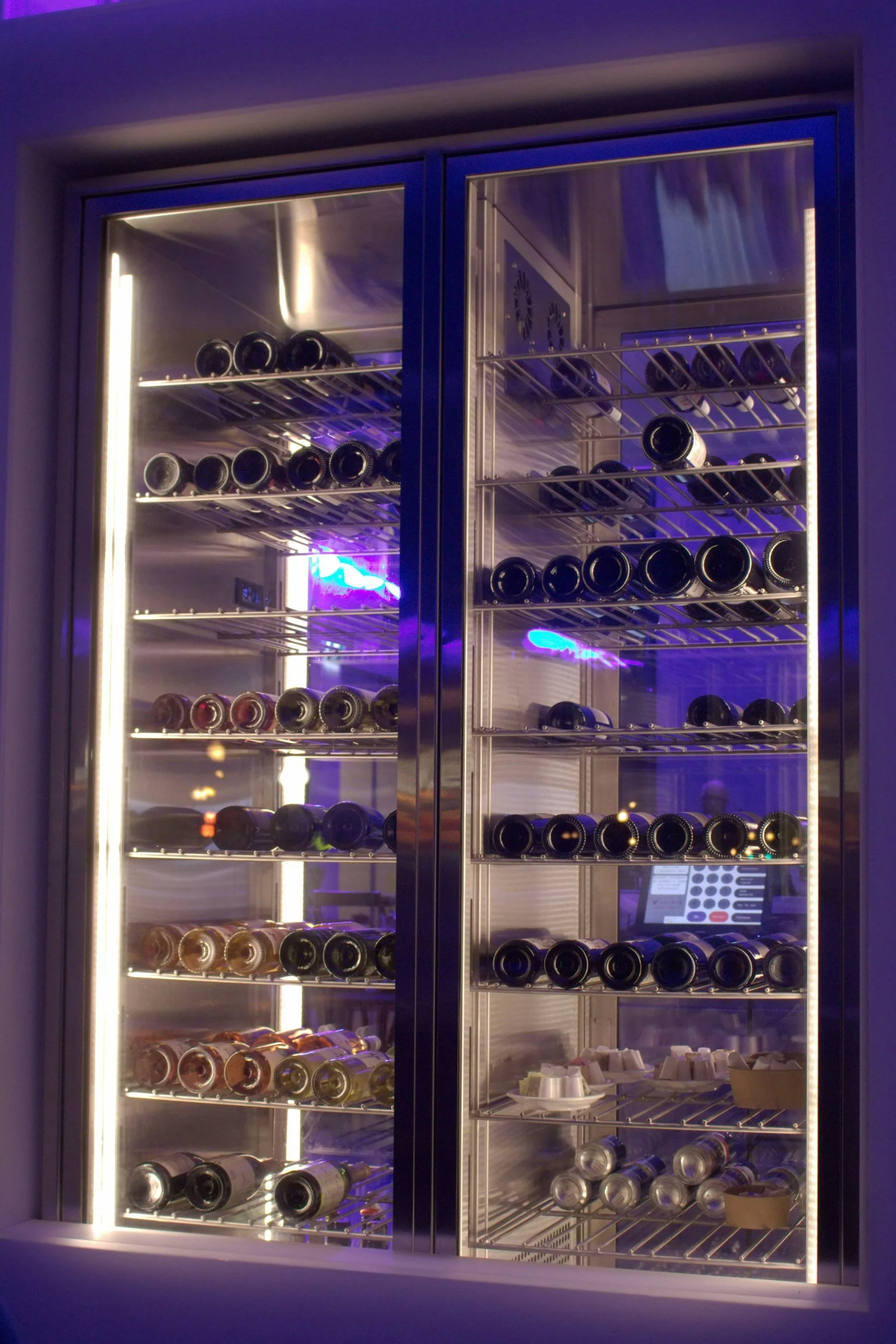
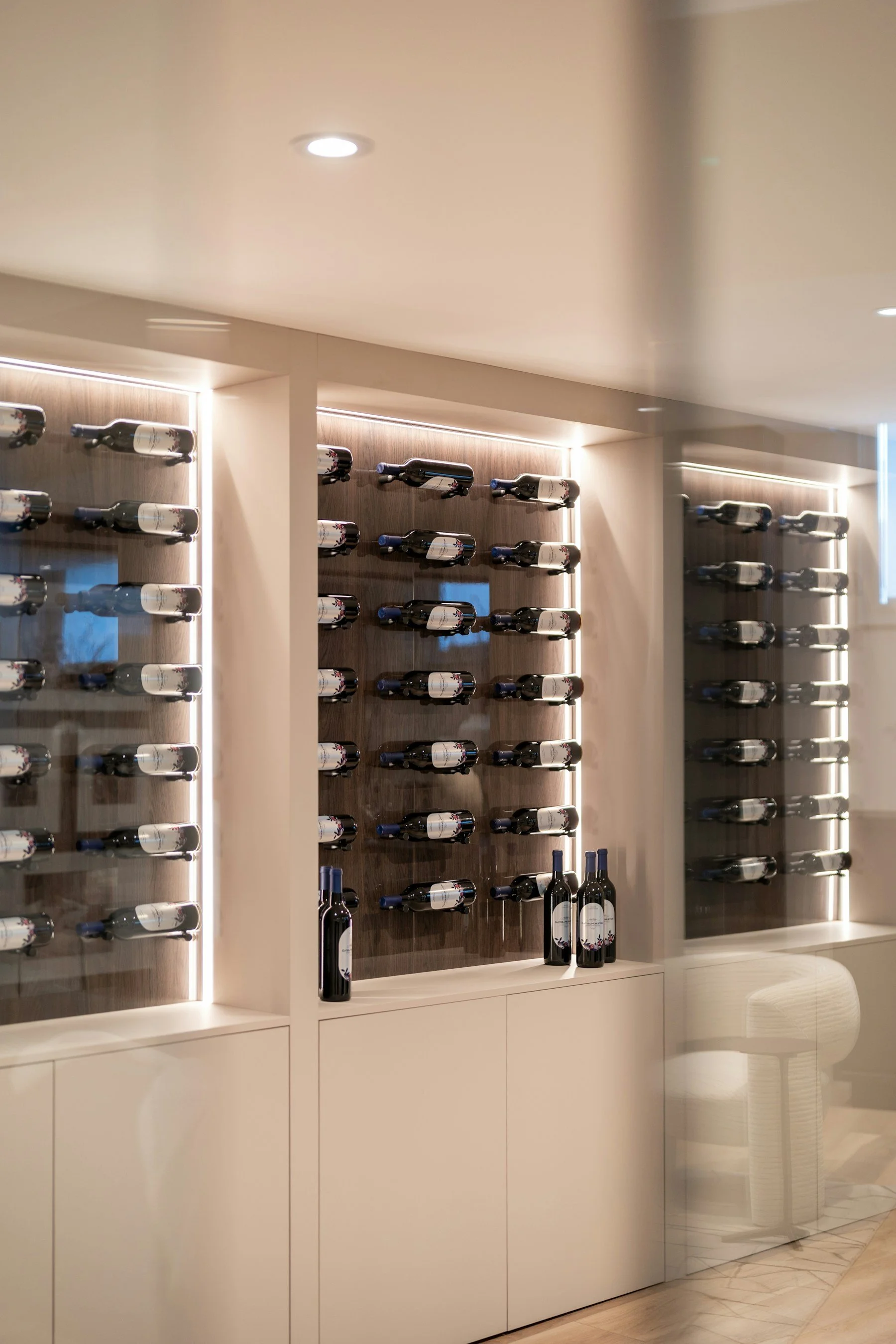
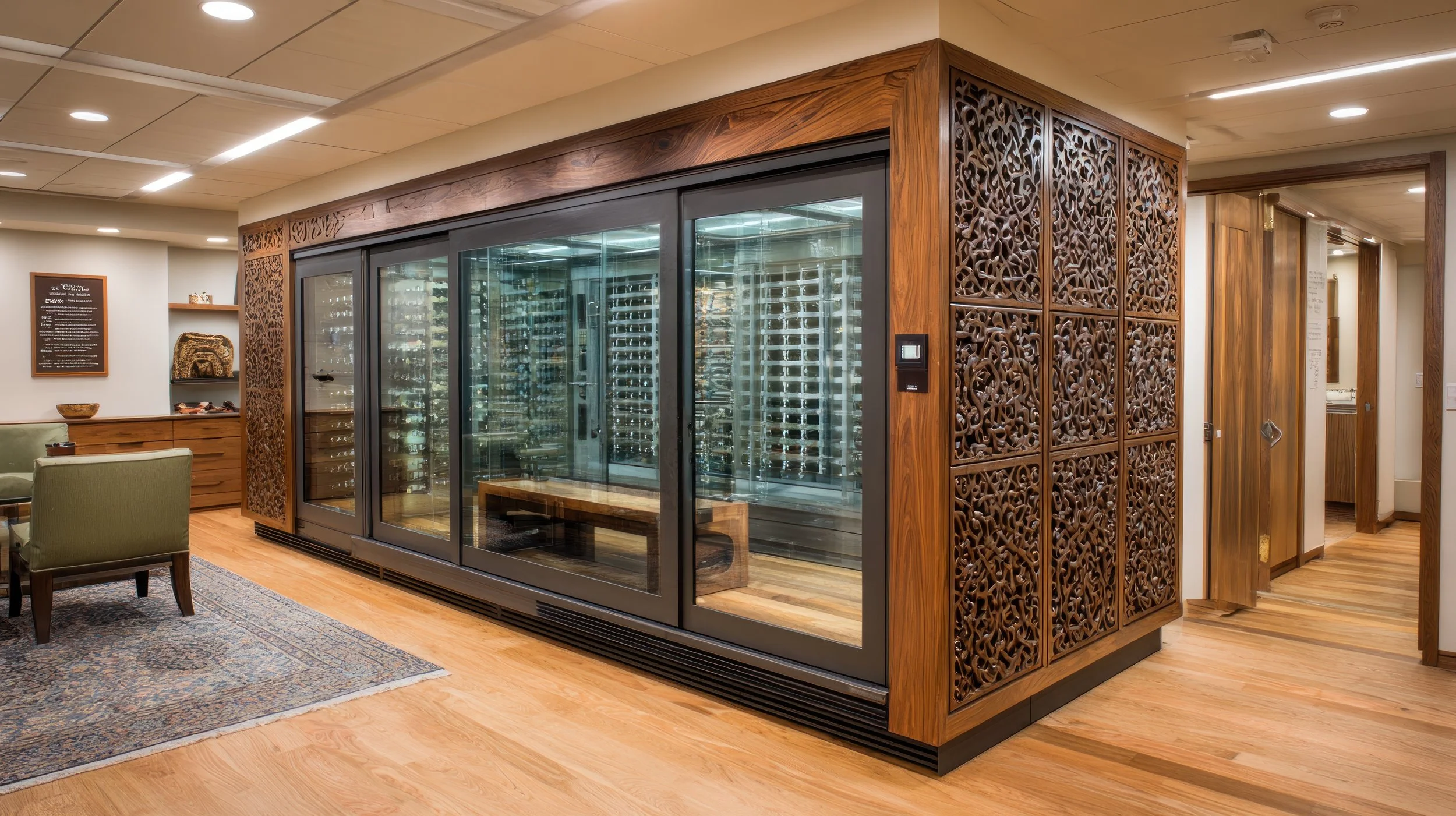
Wine ages best in a narrow band — most sources put the ideal range around 50-59°F with 55-70% relative humidity, held as steady as possible.
Closed-cell spray foam is widely regarded as the preferred material for this application because it does two jobs at once: at roughly R-6 to R-7 per inch, it delivers strong thermal resistance, and because it cures into a continuous, airtight layer, it functions as its own vapor barrier — no separate plastic sheeting required.
That matters because a poorly sealed wine room forces the cooling system to fight constant humidity intrusion, and a compromised vapor barrier is one of the more common causes of mold on labels and corks. We insulate walls, ceiling, and any shared exterior wall to spec, so your cooling unit is maintaining a stable environment instead of fighting your house.
CIGAR HUMIDOR ROOMS
Stability Matters More Than Hitting an Exact Number
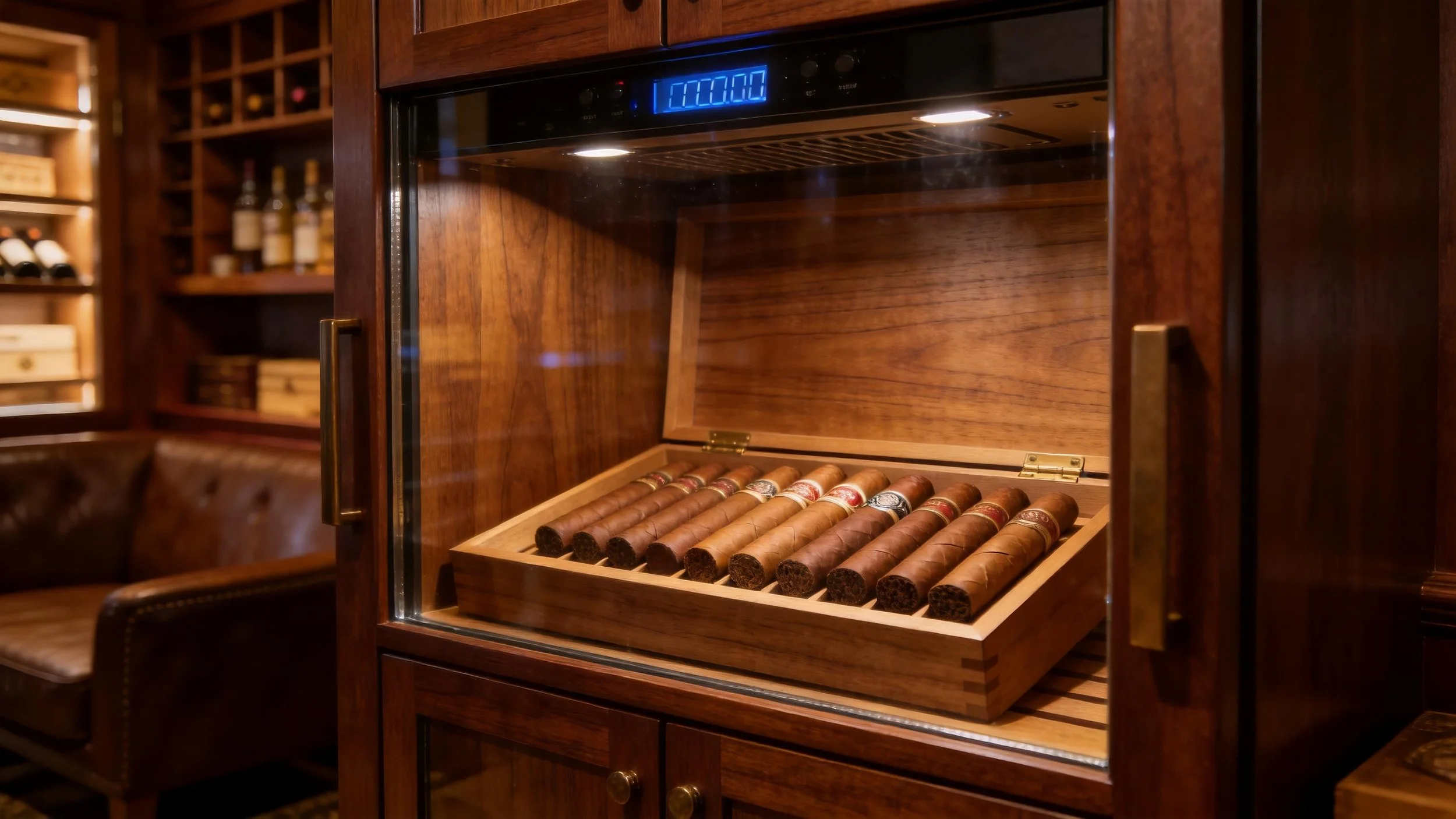
Cigar storage has its own version of the same problem, historically summarized as the “70/70 rule” — 70°F and 70% relative humidity. Many collectors and industry sources now lean toward slightly lower humidity (roughly mid-60s to 70%) for a cleaner burn, but the underlying principle hasn’t changed: stability matters more than hitting an exact number.
Tobacco is hygroscopic — it absorbs and releases moisture with every swing in its environment — and humidity that drifts too high raises real risk of mold and tobacco beetle activity. Closed-cell spray foam’s combined insulation-and-vapor-barrier performance makes it well suited to holding a walk-in humidor room steady, the same way it stabilizes a wine cellar, so your humidification system is maintaining conditions rather than constantly correcting for outside air leaking in.
SOUND ABATEMENT
Absorbing Sound, Not Just Blocking It
For home theaters, music rooms, or any space where you want sound contained, open-cell spray foam is the better tool for the job — a different priority than thermal performance. Where closed-cell foam is dense and rigid, open-cell foam’s softer, porous structure is genuinely better at absorbing sound energy rather than just blocking it.
Industry-reported figures generally put open-cell foam’s Sound Transmission Class (STC) rating in the high 30s in a standard wall assembly — a meaningful improvement over an unsealed stud wall — with a Noise Reduction Coefficient (NRC) commonly cited around 0.7, meaning it absorbs roughly 70% of the sound energy that hits it. In practical terms: it won’t make a room silent, but it substantially cuts down on sound leaking between rooms or floors, especially for mid-to-high-frequency sound like voices and music.
While our focus is existing-home retrofits, we’re equally comfortable specifying and installing spray foam on new-construction and custom-build projects working directly from architectural plans — builders and homeowners planning a new wine room, humidor, or sound-sensitive space from the ground up are welcome to reach out before framing is complete.

WHY IT MATTERS
What the Right Foam Actually Changes
• Wine and cigars age and store the way they’re supposed to — not however the room’s existing insulation happens to allow
• Humidity swings that damage a collection are prevented, not corrected after the fact
• Sound stays contained to the room it’s happening in — quiet for the rest of the house, privacy for the room itself
• Climate-control systems (wine coolers, humidifiers) run efficiently instead of constantly fighting environmental drift
• New-construction wine rooms, humidors, and sound rooms can be done right the first time, working from blueprints
Frequently Asked Questions.
-
Insulation slows heat transfer through a material. Air sealing stops air from physically moving through gaps and cracks. Both are necessary — insulation without air sealing is significantly less effective than the two done together.
-
Common signs include drafty rooms, inconsistent temperatures between rooms, higher-than-expected energy bills despite having insulation, and dust or pollen buildup near vents or recessed lighting. A free thermal camera inspection will show you exactly where air is escaping.
-
Yes — air sealing can be performed as its own service, though it's most effective when paired with proper attic insulation, since the two work together.
-
Yes. We use fire-rated and code-appropriate sealing methods around electrical fixtures, chimneys, and combustion equipment, and we evaluate any combustion safety considerations before starting work.
-
Most air sealing jobs are completed in a single day, often as part of a broader attic retrofit visit.
Have more questions? Explore our complete FAQ section.

READY FOR PRECISION CONTROL
Ready to Build a Room That Actually Holds Its Environment?
Every specialty application starts with a conversation about what you’re actually trying to control — temperature, humidity, sound, or all three.
Book a free consultation and we’ll walk through what your space needs.
Or Call or Text us directly: 678-328-0134
We typically schedule energy audits within 3-5 business days and respond to all inquiries within a few hours.